

In discussions of media, the arts, and popular culture, when the concept of place does come up, it is most often in relation to the setting for a story. While the setting is fundamental to the narrative, this element is sometimes considered less significant than a story’s characters, conflict, and themes.
For example, in the Poetics, Aristotle includes “mis en scene”—location, lighting, set, and costume design—as part of “spectacle,” one of the primary elements of tragedy. However, Aristotle also argues that “spectacle” is the least essential of these elements. He, like many scholars and audiences since, sees place as mere background, simply providing context for the real content of the work.
On the other hand, while we may sometimes overlook the importance of place within art, media, and culture, it is not uncommon (in critical reviews, cultural commentaries, and public discourse) to hear the phrase “the setting is like another character” when describing a novel, film, or some other creative work. This expression’s equation of setting with character seems to suggest the value of paying attention to place when making art or media.
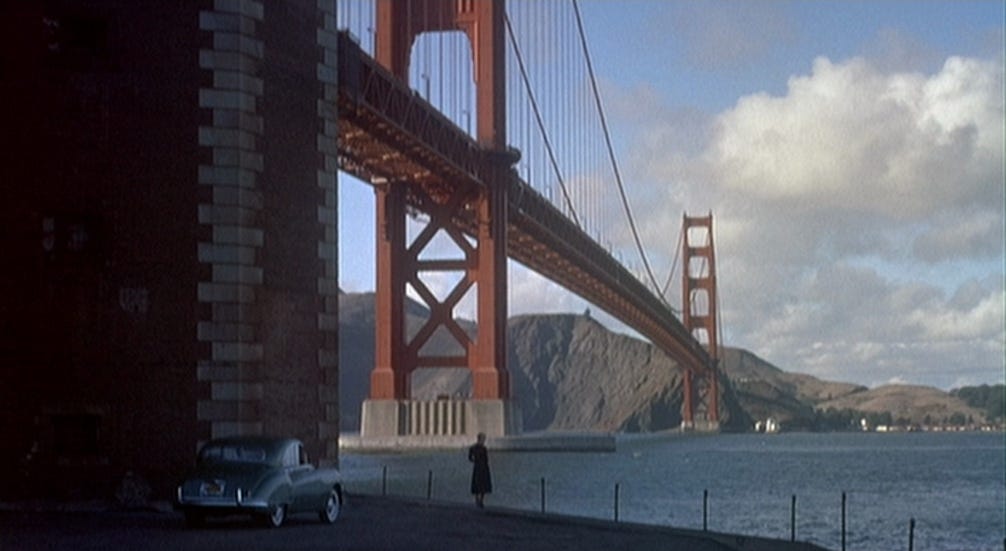
Whether it be imagined places, like Wakanda or Hogwarts, Downton Abbey or Westworld, or actual locations like the San Francisco of Vertigo, the London and Paris of The Tale of Two Cities, or Bed Stuy of Do the Right Thing, celebrated stories have often privileged place. Their settings are more than mere background. These places contribute to the narrative and the ideas it is trying to express.
People and Places
Novelist Ralph Ellison writes in his landmark 1952 novel Invisible Man “if you don’t know where you are, you probably don’t know who you are.” The stories that emphasize place often do so to draw correlations between the characteristics of particular places and the personalities of the characters occupying those places.
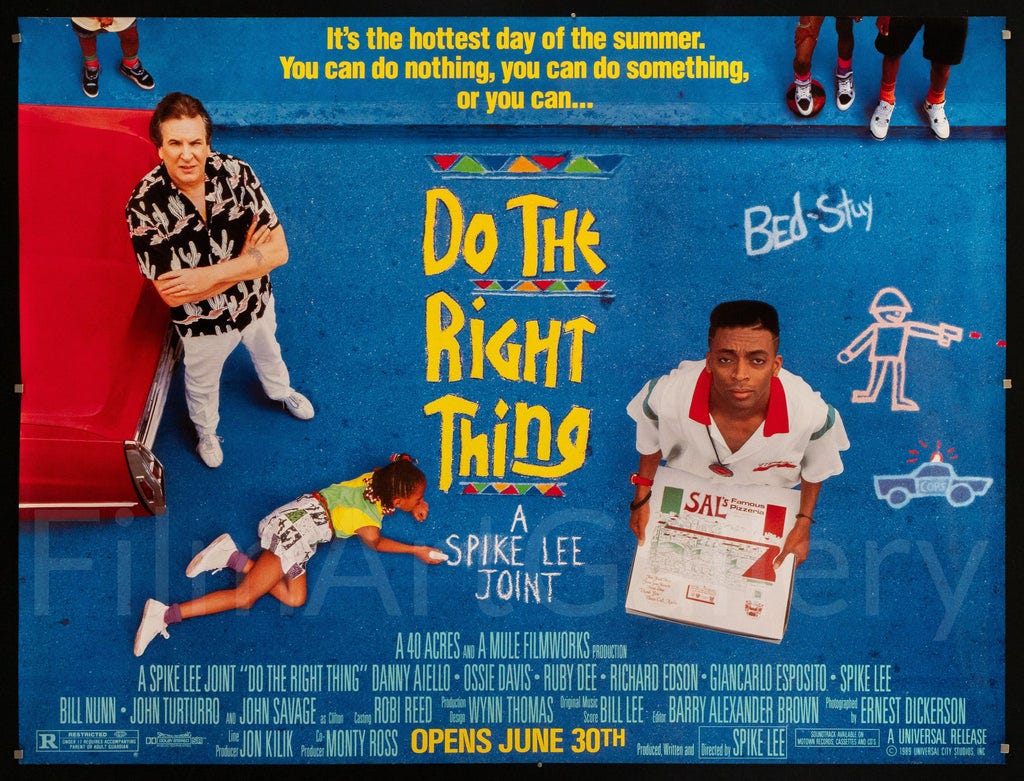
Returning to the example of Do the Right Thing (1989), the film’s setting in the Bed Stuy neighborhood of Brooklyn serves as more than just a backdrop for Mookie and his neighbors’ stories. Raised in Brooklyn himself, writer-director Spike Lee returned to the neighborhood to shoot the film on location; and it shows. The Bed Stuy onscreen is authentically represented as an almost literal melting pot where characters of various races, ethnicities, and cultures struggle to peacefully co-exist.
The film’s crew (including cinematographer Ernest K. Dickerson and production designer Wynn Thomas) designed and shot the locations in ways that amplify this tension between the characters and their respective communities.
In one scene, three men hang out under an umbrella on the sidewalk, heckling passersby and trying to find shade from the relentless summer sun. Thomas painted the brick wall behind the characters bright red, and Dickerson set a lit can of Sterno beneath the camera lens in order to create an effect that amplified the sweltering heat.
[language warning]
This creative treatment of place contributes to the tension that builds between the different characters and communities as the story progresses. At the film’s climax, when Mookie throws a trash can through Sal’s storefront to protest the cops killing Radio Raheem, the flames that engulf the pizzeria feel like the inevitable consequence of the rising temperatures (literal and figurative) depicted throughout the film.
The places depicted in Do the Right Thing—Brooklyn, Bed Stuy, Sal’s Pizzeria, those sidewalks, and street corners—play an essential role in communicating the personalities of and the conflict between the characters in this community.
When we encounter artistic works like Do the Right Thing that emphasize the correlations between places and people, we may be inclined to consider our own relationship with place, how our selves have been shaped by the spaces where we have lived, worked, played, and so on.
A Biography of Place
In a talk titled “The Power of Story in an Age of Consequence,” environmental educator and activist Peter Forbes begins by discussing the personal significance of place. He writes:
Sit back and listen to these words: Bull Run Farm, Devil’s Den, Sages Ravine, Spruce Knob, Dickinson’s Reach, Moosilauke, Arun River Valley, Central Harlem, Cedar Mesa, Chama River, Arch Rock, Drake’s Beach, Knoll Farm. That’s my biography. These words, these places, tell my story. And they mean much more than that to me. These places are the waters, the food, the wood, the dreams and the memories that literally make up my body … Without these particular places in my life, I would not be who I am. And each of you has your own similar biography.
If we were to write our own “biographies” and reflect on the role place has played in our lives, we might discover how who we are is connected to where we have been.
My biography might consist of Provo, UT where I was born and where I taught for more than a decade; the wooded neighborhoods where I grew up in Houston and Atlanta; favorite camping and hiking spots like Hobble Creek Canyon in Utah, Jacks River Falls in Georgia, Jenny Lake in the Tetons, Monument Valley on the Navajo Nation, and the redwoods outside of Santa Cruz. I might include the Schloss Leopoldskron in Salzburg, Austria, a little pub in Doolin, Ireland, and Disneyland in California.
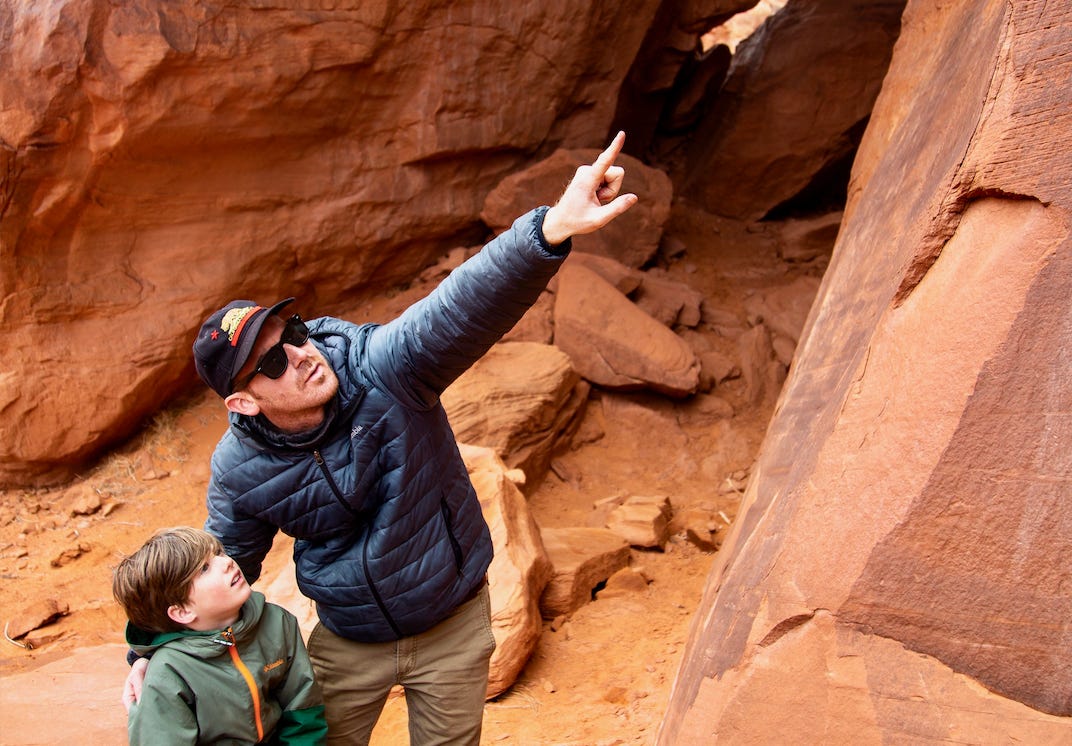
These places illustrate aspects of my self—my memories of family, my love of nature, my work in education, the pleasure I find in food, fun, culture, and conversation. But even more important, writing my “biography” causes me to pay more attention to the relationship I have with the world around me.
One’s Place in Society
Ralph Ellison’s book Invisible Man, quoted above, explores the ways in which racism frustrates African-Americans’ efforts to develop their identities. The unnamed narrator of the novel refers to himself as “invisible” because of the marginalized place that the Black man occupies within a segregated society. He struggles to find a home where he can be his full self.
In this respect, Ellison, like many other Black authors and writers of color, understands place as not just physical location, but also one’s “station” in society, as determined by the dominant culture. Without a place to call home, how can one truly develop a sense of self?
What places do you call home? How does your “biography” reflect your gender, race, ethnicity, class, culture, etc? What places have been open to you, or closed from you, because of your identity?